Learn the Craft

Resources and tutorials for aspiring bookbinders

Passing It On

Every skill I have was taught to me by someone willing to share it. I want to do the same.

Bible rebinding is a trade that deserves to be more widely known. The tools are accessible, the materials are available, and the reward — giving a beloved Bible a cover worthy of its contents — is one of the most satisfying things I know how to do.

My goal is to make this craft approachable for anyone willing to put in the time. Whether you want to rebind your own Bible, give one as a gift, or build a small business of your own, these resources are here to help you get started. I have nothing to hide and everything to share.

Below you will find a basic supplies list to get your workbench set up, along with a link to my full step-by-step video tutorial series on YouTube. More resources will be added as the channel grows.

Video Resources

Step-by-step video content to help you learn Bible rebinding from start to finish.
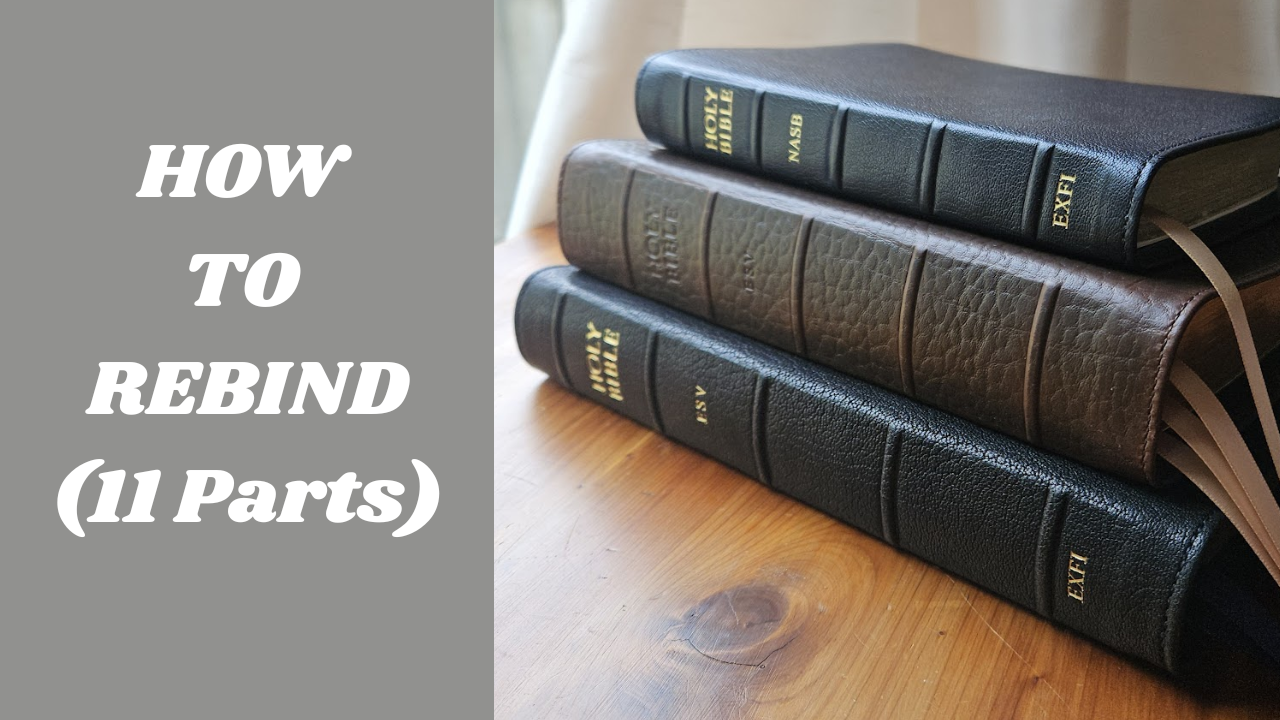
How to Rebind a Bible — Full Tutorial Playlist

Full Bible Rebinding Playlist

The complete series covering every step of the rebinding process — from disassembly to finished cover. Watch at your own pace and follow along at your workbench.

  Watch the Full Playlist
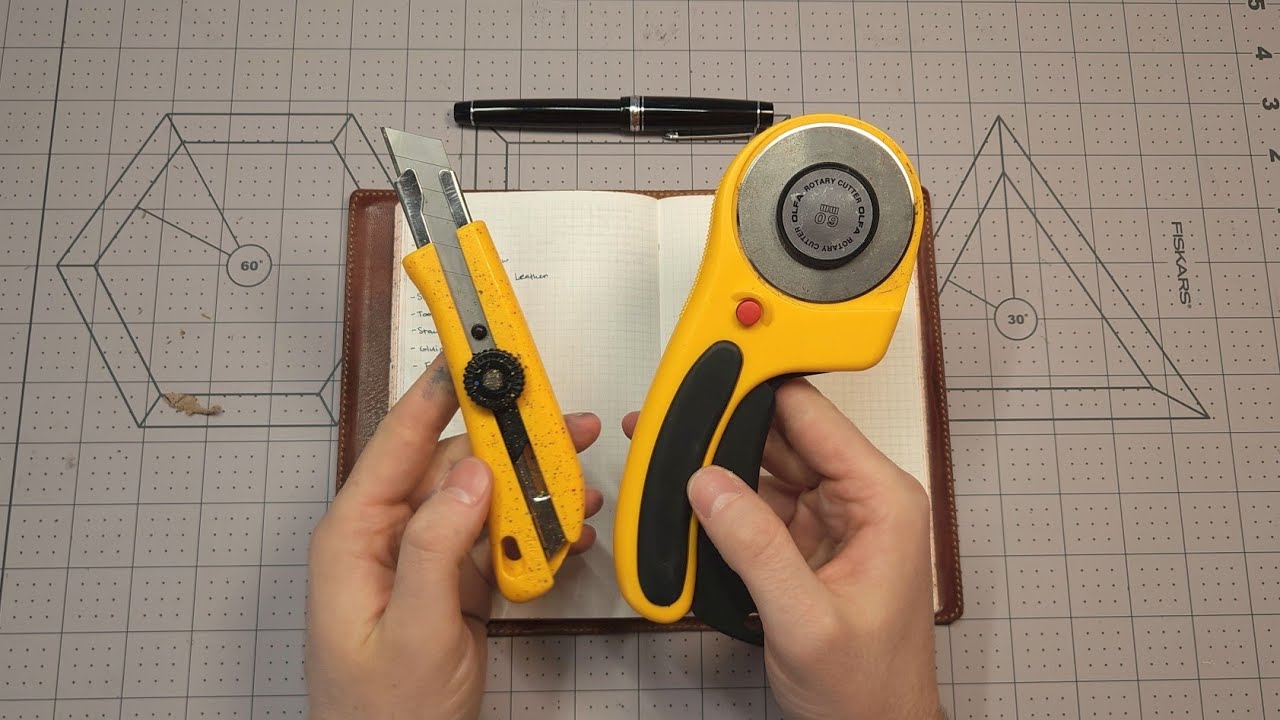
Bible Rebinding Materials Video

Materials & Supplies Breakdown

A dedicated look at the tools and materials used in a professional Bible rebind — what to buy, what to avoid, and where to find it.

  Watch the Video

Basic Supplies List

What you need to get started. Most of these are available online; links and brand recommendations are covered in the video series.

This section is under construction. Check back soon.

Tools

Bone Folder For creasing and burnishing leather and paper cleanly without tearing.
Bookbinding Needles Both straight and curved needles for sewing signatures and attaching covers.
Awl or Piercing Cradle For punching sewing holes through signatures accurately and consistently.
Craft Knife & Cutting Mat A sharp blade and self-healing mat for trimming leather, endpapers, and cloth.
Metal Ruler For straight cuts and measuring boards and leather panels.
Microspatula For applying glue precisely and lifting delicate materials without damage.
Book Clamps or Nipping Press To hold the book under pressure while glue sets. Even binder clips work for beginners.
Edge Beveler For thinning and tidying the cut edges of leather covers and turn-ins.

Materials

Bookbinding Thread Vinymo MBT is what we use — strong, wax-friendly, and fade resistant. Beeswax helps it run smoothly through the needle.
Archival PVA Glue pH neutral, flexible when dry, and made to last. Do not use standard white glue.
Endpapers The decorative or plain sheets that line the inside of the cover boards. Choose acid-free paper.
Bookbinding Cloth Used for spine reinforcement and hinge lining. Look for pH neutral, starch-free cloth.
Headbands The decorative fabric bands at the head and tail of the spine. Handset headbands are covered in the tutorial.
Ribbon Markers Berisford ribbons are our recommendation. Glued to the spine before covering.
Leather Start with a forgiving vegetable-tanned cowhide before moving to thinner skins. See our Services page for tannery recommendations.